
Ceramic Crowns vs. Traditional Fillings: Choosing the Right Restorative Service in San Marcos
Blog:Ceramic Crowns vs. Traditional Fillings: Choosing the Right Restorative Service in San Marcos
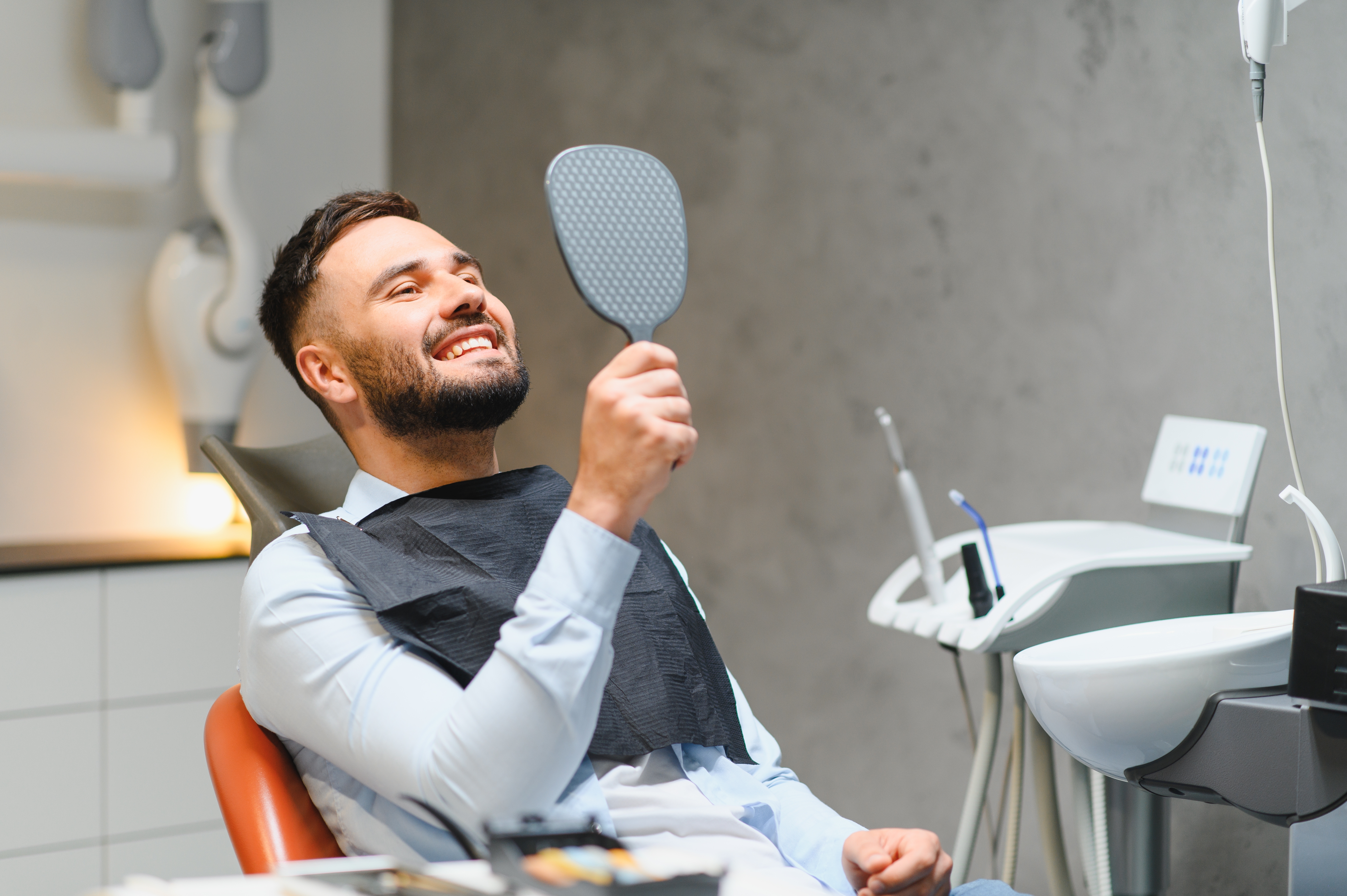
When a tooth develops decay, cracks, or other structural damage, the right restoration depends on how much healthy tooth remains and how much support the tooth needs. A dental filling may be appropriate for a smaller area of damage, while a dental crown can provide more extensive coverage when a tooth has been significantly weakened.
At Vida Family Dental of San Marcos, we provide restorative dentistry for patients who need to repair damaged or decayed teeth. Understanding the differences between fillings and crowns can help you know what questions to ask during your San Marcos dental appointment.
When Is a Dental Filling Used?
A filling is commonly used to repair a relatively small area of tooth decay. After the damaged portion of the tooth is removed and cleaned, restorative material is placed in the space to rebuild the tooth.
Vida Family Dental of San Marcos offers tooth-colored composite fillings, which are designed to blend more naturally with surrounding tooth structure.
Fillings preserve much of the natural tooth because they are placed only where repair is needed. For a small cavity or limited area of damage, this may provide enough strength and protection without covering the entire tooth.
When Might a Crown Be Better?
A dental crown covers the visible portion of a tooth and provides more extensive protection than a filling. Crowns may be considered when there is not enough strong tooth structure remaining to reliably support a filling.
Situations that may lead your dentist to discuss a crown include:
A large or broken filling
A cracked, chipped, or fractured tooth
Significant tooth decay
A tooth that has undergone root canal treatment
A tooth that has lost substantial structure
A restoration that needs more coverage than a filling can provide
Vida Family Dental of San Marcos also offers single-visit crowns, which can be designed, created, and placed during one appointment for appropriate cases.
What About Ceramic Crowns?
Ceramic and other tooth-colored crown materials are often chosen because they can be made to resemble natural enamel. Depending on the tooth being restored, the amount of chewing pressure involved, and other clinical factors, your dentist can discuss which crown material is appropriate for your situation.
It is important not to choose a restoration based only on appearance. A strong biting surface, remaining tooth structure, location in the mouth, and the extent of damage all need to be considered.
During your San Marcos restorative consultation, ask what material is being recommended and why it is appropriate for that particular tooth.
Is a Crown Always Better Than a Filling?
No. A larger restoration is not automatically better.
When a small filling can adequately restore the tooth, placing a crown may remove more natural tooth structure than necessary. On the other hand, repeatedly placing larger fillings into a severely weakened tooth may not provide enough long-term support.
The goal is to use a restoration that addresses the damage while preserving healthy tooth structure whenever possible.
Your dentist may use an examination and dental X-rays to determine how much decay or structural damage is present before recommending treatment.
Questions to Ask Before Choosing a Restoration
If you are comparing a filling and crown, ask how much healthy tooth remains and whether the tooth has any cracks or weakened areas. You can also ask how each treatment will affect the tooth, how the restorations should be cared for, and what signs might indicate a future problem.
Neither fillings nor crowns last indefinitely. Regular brushing, flossing, dental cleanings, and exams help your dentist monitor the restoration and the tooth underneath it. If you grind or clench your teeth, mention this as well because excessive pressure can contribute to wear or fractures.
If you have a damaged, decayed, or previously restored tooth, schedule a restorative dental evaluation with Vida Family Dental of San Marcos at 670 W San Marcos Blvd, Suite 103, San Marcos, CA 92078 by calling (760) 471-9292.
Helpful Articles
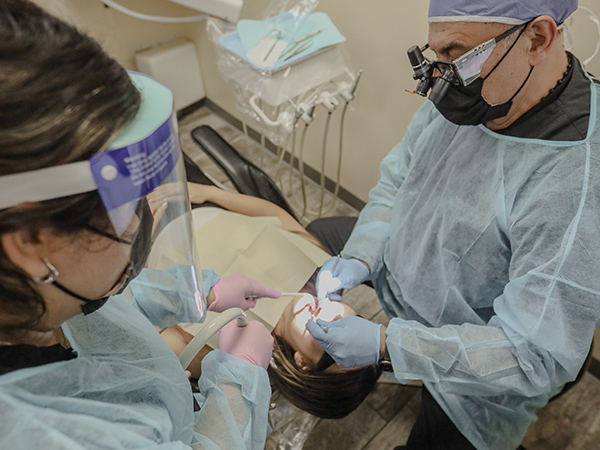
All Dental Services
We offer a wide variety of dental services to the San Marcos community. Contact us with any questions about our services.
Keep In Touch
For non-urgent questions or to learn more about our services, contact us today!

© 2026 Vida Family Dental of San Marcos. All Rights Reserved. Accessibility Statement - Privacy Policy - Sitemap
Powered by: 